
1. INTRODUCTION
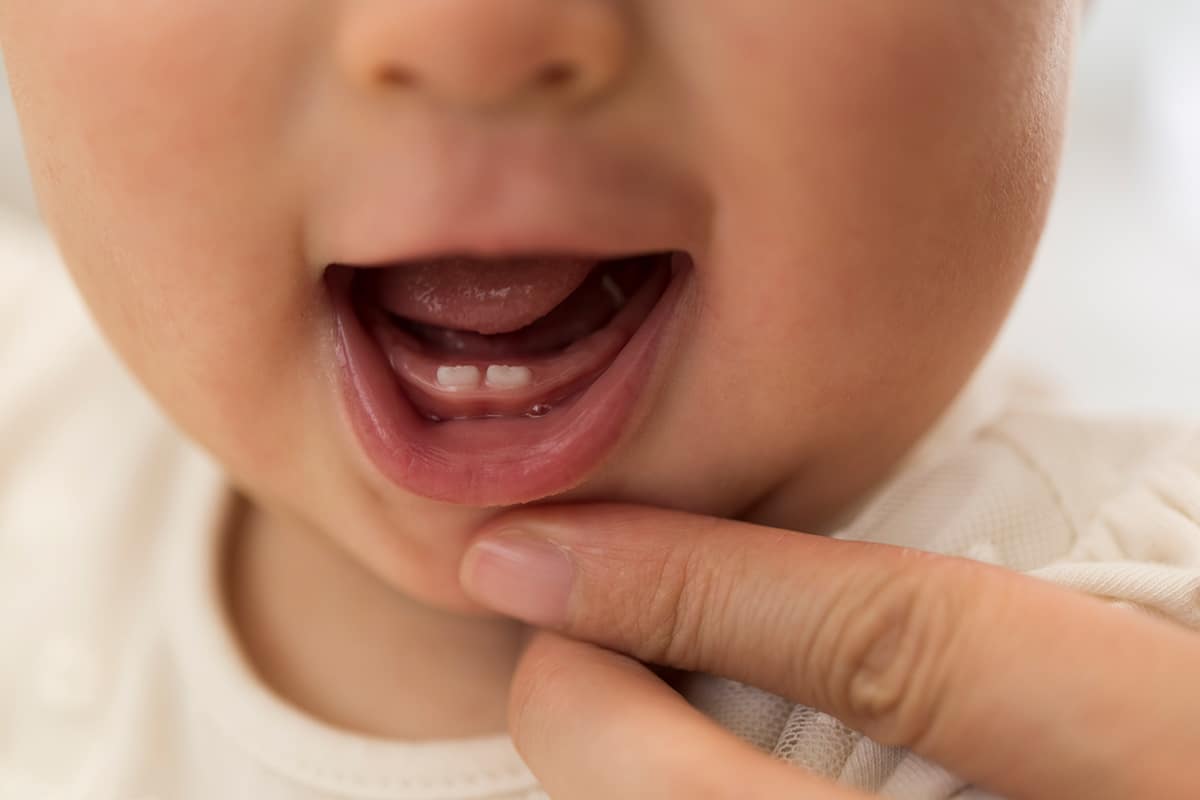
Watching your baby’s first tooth appear is a special milestone for every parent. If you’re looking to start dental care early, searching for a dentist office near me can help you find a friendly professional who specializes in children’s dentistry. Most babies get their first tooth around six months of age, though it can happen as early as three months. Many parents assume baby teeth don’t need much care because they eventually fall out—but that’s not true. Healthy baby teeth are essential for your child’s speech, nutrition, and confidence, and they also guide permanent teeth into their proper places.
2. HOW CAVITIES DEVELOP IN BABY TEETH?
Cavities form when bacteria in the mouth feed on leftover sugars from food or drinks. These bacteria produce acids that slowly damage tooth enamel. Even natural sugars in milk or formula can start this process. If not cleaned properly, tooth decay can begin early and lead to long-term dental problems. Early dental hygiene practices can lower the chance of tooth decay in later life, according to studies.
3. WHY BABY TEETH MATTER SO MUCH?
Tooth decay is one of the most common health problems among young children—nearly one in four kids gets cavities before turning five. Decayed baby teeth may need to be removed, which can be painful and costly. The movement of other teeth due to missing teeth can alter the way permanent teeth erupt. Healthy teeth also help children chew food, speak clearly, and smile confidently, which boosts self-esteem and social comfort.
4. EASY STEPS TO KEEP YOUR CHILD’S TEETH HEALTHY
- Avoid bottles in bed: Sugars can remain on teeth when a child sleeps with a milk or formula bottle, which can result in “baby bottle tooth decay.”
- Use pacifiers and spoons with caution: Avoid sharing utensils or pacifiers with your child, as this can transfer bacteria from your mouth to theirs.
- Clean your baby’s mouth after each meal: Wipe gums with a clean cloth before teeth come in. Once they appear, use a soft toothbrush and a tiny amount of fluoride toothpaste.
- Breastfeeding may lower the risk of cavities. However, make sure to clean your teeth and gums after feeding.
- Introduce a cup at one year old: Gradually switch from bottles to cups to prevent tooth decay.
- Limit sugary and sticky foods: Avoid candies, dried fruits, and sweetened drinks. Water is the best drink for your child’s teeth.
- Choose fluoride: Fluoride strengthens enamel and helps prevent cavities. Use fluoride toothpaste and ensure your drinking water has fluoride.
5. DENTIST AND DOCTOR VISITS
Schedule your child’s first dental visit as soon as the first tooth appears. Both the dentist and the pediatrician can identify cavities early on, administer fluoride treatments, and instruct children on proper brushing technique.
6. CONCLUSION
Children learn from watching their parents. Create a family dental routine that includes brushing and flossing twice a day. Turning oral care into a fun activity—like brushing to music—encourages consistency.
Remember: caring for baby teeth builds the foundation for a lifetime of healthy smiles and overall well-being.