

Overview
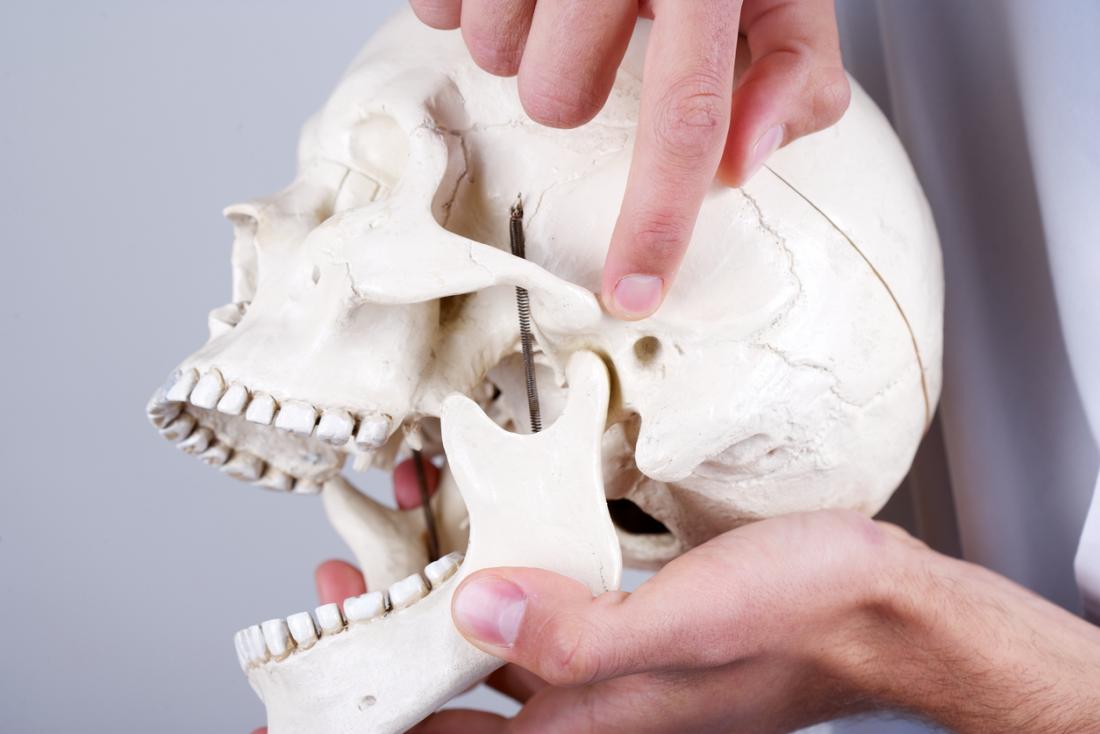
The temporomandibular joint (TMJ) functions like a sliding hinge that connects the jawbone to the skull, with one joint on each side. It plays a vital role in everyday actions such as speaking, chewing, and yawning. TMJ disorders, which fall under the broader category of temporomandibular disorders (TMD), cause pain and discomfort in the jaw joint and the muscles responsible for its movement.
Determining the exact cause of TMJ disorders can be difficult because several factors often contribute. These include teeth grinding (bruxism), jaw clenching, gum chewing, nail biting, stress, arthritis, fibromyalgia, and injuries to the jaw area. Hormonal changes, poor posture, and imbalanced bite alignment can also strain the jaw muscles and joints.
Most people experience temporary discomfort that can be managed through self-care methods like avoiding hard foods, using heat or cold packs, jaw exercises, and wearing a tmj mouth guard. Physical therapy, stress management, and medications such as muscle relaxants may also help. Surgery or more advanced treatments are considered only after conservative measures fail to provide relief.
Symptoms
Common symptoms of TMJ disorders include:
- Pain or tenderness in the jaw
- Discomfort in one or both TM joints
- Aching around or behind the ears
- Difficulty chewing or pain while chewing
- Facial pain or muscle stiffness
- Locking of the jaw, making it difficult to open or close the mouth
- Headaches, neck pain, or shoulder tension
- Pain around the eyes or in the teeth
Not everyone with jaw noises requires treatment. If the clicking or popping occurs without pain or restriction of movement, it is usually harmless.
When to See a Doctor
Medical attention is recommended if you experience sudden or constant jaw pain, difficulty moving your mouth, or if the pain interferes with eating or speaking. A dentist, oral surgeon, or TMJ specialist can perform a physical exam, take imaging tests, and suggest a suitable treatment plan. Early evaluation can prevent the condition from worsening and help restore normal jaw function.
Causes
The TMJ combines hinge and sliding motions, allowing smooth movement through a cartilage-covered joint separated by a small shock-absorbing disk. TMJ pain can occur if:
- The disk erodes or moves out of alignment
- Ligaments or soft tissues become overstretched or inflamed
- Arthritis damages the cartilage or joint structure
- Injury or trauma affects the jaw
- Muscles around the joint tighten or go into spasm
Often, TMJ disorders arise from a combination of these factors, rather than a single cause.
Risk Factors
Certain factors may increase the likelihood of developing TMJ disorders, such as:
- Various forms of arthritis, including rheumatoid or osteoarthritis
- Previous jaw or facial injuries
- Chronic habits like gum chewing, nail biting, or teeth grinding
- Connective tissue or autoimmune disorders
- Sleep disorders and conditions like fibromyalgia or ankylosing spondylitis
- Smoking and poor posture habits
Although TMJ disorders can be uncomfortable, they are often manageable. With proper diagnosis, stress control, and consistent self-care, most people experience significant improvement and can prevent long-term complications.