

In the ever-evolving field of skin care, microneedling and chemical peels have become two of the most sought-after procedures for rejuvenation and repair. Both treatments promise smoother, brighter, and healthier skin—but they achieve these results in very different ways. Understanding the science behind these procedures can help anyone considering them make more informed decisions and appreciate why they are among the most effective dermatology treatments available today.
Microneedling: Controlled Micro-Injury for Maximum Healing
Microneedling, also known as collagen induction therapy, works by using a device with fine needles to create thousands of micro-channels in the skin. While the idea of creating tiny injuries may sound counterintuitive, the body’s natural healing response is the secret to its effectiveness.
How It Works
- Collagen Stimulation: The controlled punctures trigger the skin to produce new collagen and elastin, two proteins essential for firmness and elasticity. This makes the skin plumper and reduces the appearance of fine lines and wrinkles.
- Enhanced Product Absorption: The micro-channels allow topical serums, such as hyaluronic acid or vitamin C, to penetrate more deeply, boosting their efficacy.
- Cellular Turnover: As the skin repairs itself, newer, healthier skin cells replace older, damaged ones, leading to a fresher, smoother complexion.
Benefits of Microneedling
- Reduces acne scars, surgical scars, and stretch marks.
- Improves overall texture and tone.
- Softens fine lines and wrinkles.
- Minimizes pore size.
Because it doesn’t involve heat or harsh chemicals, microneedling is safe for most skin types, including darker tones that are more prone to pigment issues with other treatments.
Chemical Peels: Harnessing Controlled Exfoliation
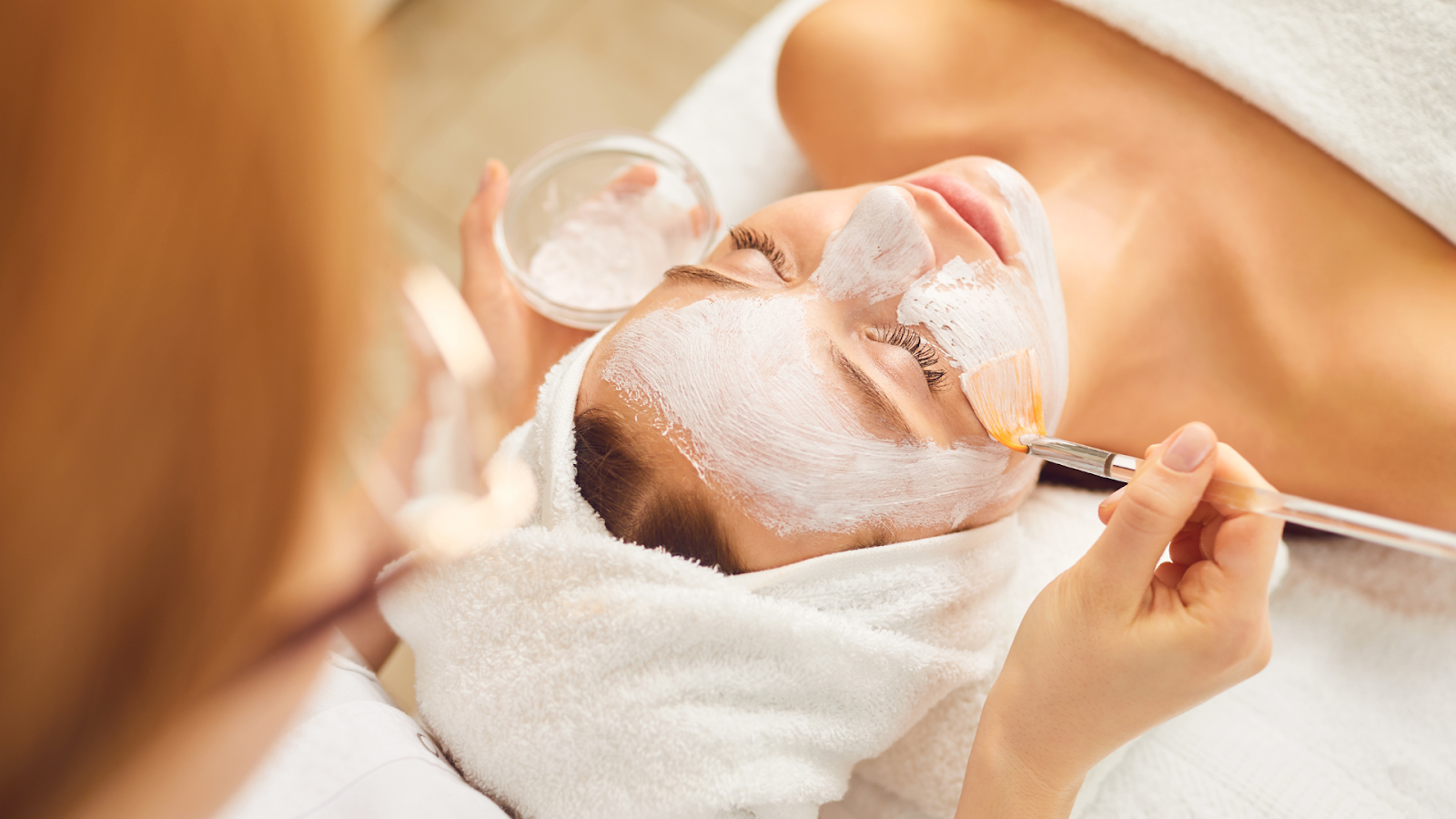
Chemical peels take a different scientific approach. Instead of micro-injuries, they use specially formulated chemical solutions to exfoliate damaged outer layers of skin, revealing fresher layers beneath.
How They Work
- Chemical Agents: Peels may use alpha hydroxy acids (AHAs), beta hydroxy acids (BHAs), trichloroacetic acid (TCA), or phenol, depending on the depth of treatment desired.
- Cell Renewal: By dissolving the bonds that hold dead skin cells together, chemical peels encourage the skin to shed more rapidly than it naturally would.
- Pigment Regulation: Many peels target melanin, helping to fade sunspots, age spots, and hyperpigmentation.
- Collagen Boost: Deeper peels stimulate collagen production by reaching into the dermis, improving skin thickness and reducing wrinkles.
Types of Chemical Peels
- Superficial Peels: Mild acids like glycolic acid gently exfoliate, perfect for brightening and refreshing the skin with minimal downtime.
- Medium Peels: TCA penetrates deeper, targeting fine lines, acne scars, and pigmentation issues.
- Deep Peels: Phenol-based peels address severe wrinkles and sun damage but require longer recovery and strict medical supervision.
Comparing the Two Treatments
While both treatments improve skin appearance, their mechanisms and outcomes differ.
- Microneedling: Works from within by stimulating healing and collagen formation. Results emerge gradually over weeks as new collagen builds.
- Chemical Peels: Act from the outside by exfoliating layers of skin. Results are often more immediate, especially in superficial peels, though deeper peels require recovery time.
Overlap and Synergy
Some patients benefit from alternating or even combining these treatments. For example, microneedling may improve texture and firmness, while chemical peels can brighten tone and reduce pigmentation. When performed under professional guidance, the two approaches complement each other for comprehensive skin rejuvenation.
Safety and Considerations
Microneedling Precautions
- Mild redness and swelling are common for a day or two.
- Sun protection after treatment is critical.
- Avoid makeup for at least 24 hours to reduce infection risk.
Chemical Peel Precautions
- Redness, flaking, or crusting may occur depending on peel depth.
- Sun exposure must be avoided until healing is complete.
- Not all skin types tolerate deep peels; a professional evaluation is essential.
In both cases, following aftercare instructions ensures optimal results and minimizes complications.
Why Professional Care Matters
At-home microneedling rollers and over-the-counter peel kits exist, but their results cannot match clinical treatments. More importantly, improper use increases the risk of infection, scarring, or chemical burns. Professional providers use medical-grade equipment, customized solutions, and sterile conditions to ensure both safety and efficacy.
Beyond technique, expertise matters in deciding which treatment—or combination—is right for an individual’s goals and skin type. For example, someone struggling with deep acne scars may see better long-term improvement with microneedling, while uneven tone and pigmentation may respond faster to chemical peels.
Microneedling and chemical peels both harness the skin’s remarkable ability to repair and renew itself, but through different scientific pathways. Microneedling works from the inside out, stimulating collagen and enhancing absorption, while chemical peels resurface from the outside in, exfoliating damaged layers and regulating pigment. When performed under professional supervision, these procedures can transform the skin’s health, texture, and appearance.
Clearer, brighter, and smoother skin isn’t just cosmetic—it’s a sign of skin functioning at its best. With a thoughtful approach, these treatments can help unlock the skin’s natural resilience and restore confidence for years to come.