
Do you often experience jaw pain, headaches, or find it hard to open and close your mouth? If yes, you might be dealing with a problem called Temporomandibular Joint Disorder, also known as TMJ or TMD. This condition affects the joint that connects your jawbone to your skull and can cause discomfort, clicking sounds, or stiffness in the jaw.
While most people think of orthodontics as a way to straighten teeth, it can also play an important role in treating TMJ/TMD.
What Are TMJ and TMD?
TMJ stands for the temporomandibular joint, which allows your jaw to move when you talk, eat, or yawn. If you’re experiencing jaw discomfort, searching for an orthodontist near me can help you find a specialist who can evaluate and treat related alignment issues. TMD, on the other hand, refers to disorders that affect this joint and the muscles around it. When something goes wrong with the joint, you may feel pain, stiffness, or hear popping or clicking sounds when you move your jaw.
Common Causes of TMJ/TMD
There are many reasons why TMJ/TMD can develop. Some of the most common causes include:
Jaw injuries or trauma
Teeth grinding or clenching, often caused by stress
Arthritis or inflammation in the joint
Misaligned teeth or bite problems
How Orthodontics Helps TMJ/TMD
Orthodontics is not just about creating straight, beautiful smiles. It’s also about ensuring your teeth and jaws work together in balance. When your bite is uneven, your jaw muscles and joints have to work harder than normal, which can cause pain and tension.
Treatment Options
Different orthodontic treatments can help manage TMJ/TMD symptoms, depending on the cause and severity of the problem.
1. Braces
Traditional braces are one of the most effective ways to correct jaw misalignment. By moving the teeth into their proper positions, braces help balance the bite and reduce unnecessary pressure on the jaw joint.
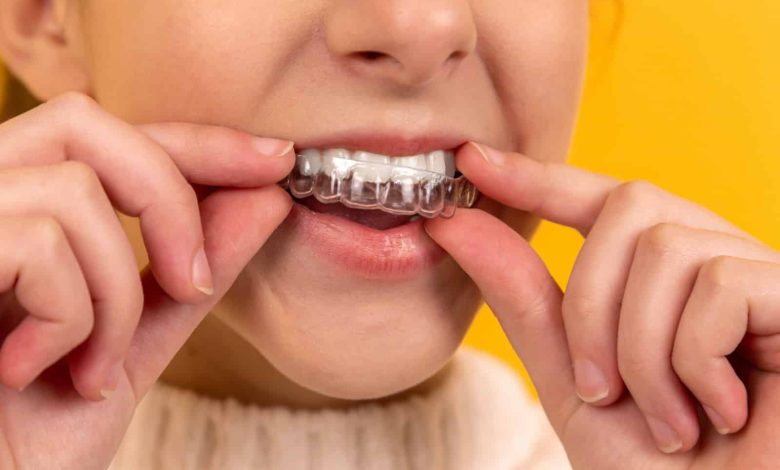
2. Clear Aligners
If you prefer a more discreet option, clear aligners can also correct mild to moderate bite issues. These removable trays gradually move your teeth into better alignment, helping to ease tension in the jaw area.
3. Bite Adjustments
Sometimes, small changes in the way your teeth come together can make a big difference. A bite adjustment involves reshaping or smoothing certain teeth to create an even bite, helping your jaw relax into a more natural position.
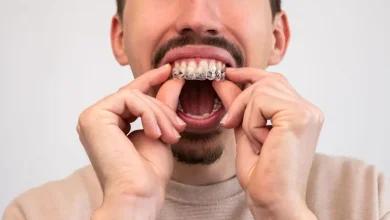
4. Splints and Night Guards
If you grind or clench your teeth at night, a custom-made splint or night guard can protect your teeth and relieve pressure on the joint while you sleep.
What to Expect
Orthodontic treatment for TMJ/TMD is not a quick fix. It takes time for your teeth and jaw to adjust to their new positions. However, with patience and consistency, you can experience lasting relief from pain and improved jaw function.
Final Thoughts
TMJ/TMD can affect your daily life, making it difficult to eat, speak, or even rest comfortably. Orthodontic treatment offers a long-term solution that not only improves the alignment of your teeth but also restores balance to your jaw. By addressing the root cause instead of just managing symptoms, orthodontics can help you achieve better comfort, function, and confidence in your smile.