
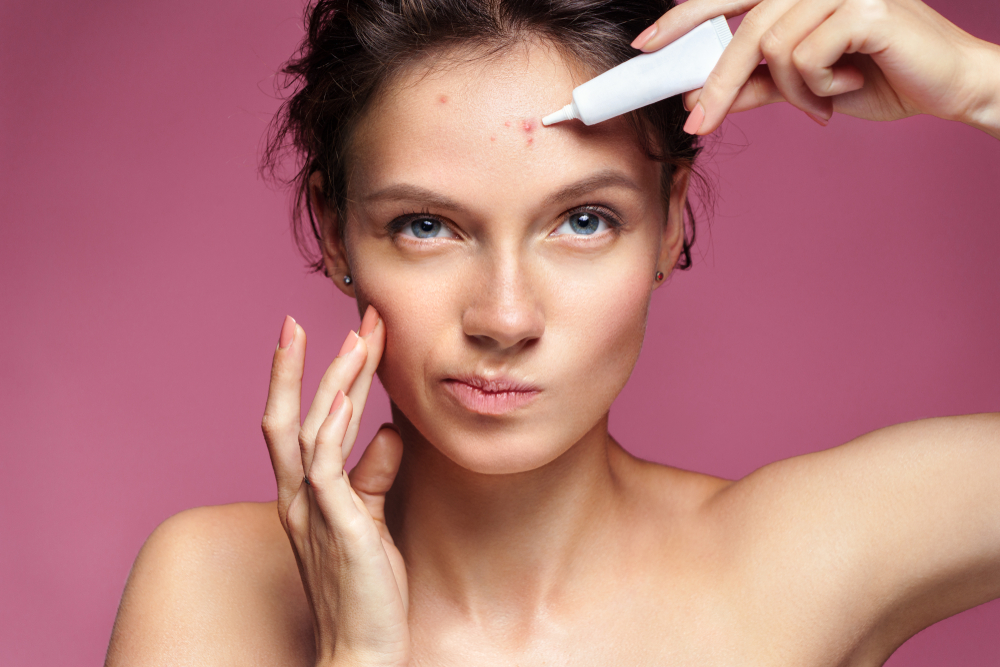
Many people experience the frustrating cycle where skin breakouts trigger emotional distress. This emotional distress can then worsen the very skin condition that caused it. Research reveals that anxiety and depression affect more than one-third of dermatology patients.
Some estimates suggest 60 percent of individuals seeking medical help for skin and hair problems also experience significant life stress. The relationship between our mental state and skin health is becoming clearer through psychodermatology. This emerging field explores how psychological conditions affect the skin and vice versa.
Acne is not just a cosmetic concern. It creates a bidirectional relationship with stress and anxiety where each factor can exacerbate the other. This connection significantly impacts quality of life for people across all age groups.
Understanding this mind-body link is essential for developing comprehensive treatment approaches. Effective management requires addressing both the physical manifestations on the skin and the psychological impact on wellbeing. The article will reference expert perspectives from both Surgical Arena Ltd and The Psychodermatologist.
Key Takeaways
- The connection between skin health and mental wellbeing is scientifically recognised
- Acne frequently creates a cycle where stress worsens the condition and the condition increases stress
- Psychological distress affects more than one-third of dermatology patients
- Psychodermatology explores the intricate relationship between mind and skin
- Comprehensive treatment should address both physical symptoms and emotional impact
- The bidirectional nature means improving mental health can benefit skin condition
- Expert insights from multiple disciplines provide integrative approaches to management
Understanding Acne and Stress
Stress operates as more than just an emotional experience—it actively engages with the body’s largest organ through hormonal pathways. This biological connection explains why periods of heightened pressure often correlate with visible changes in skin condition.
Science Behind Stress-Induced Acne
When the body perceives threat or pressure, it releases cortisol as part of its survival response. This primary stress hormone directly stimulates sebaceous glands to produce excess oil.
Increased oil production creates ideal conditions for acne development by clogging pores and trapping dead skin cells. The resulting environment allows bacteria to thrive, leading to inflammation and visible breakouts.
Stress-related acne typically appears in the T-zone where oil glands concentrate. This distinguishes it from other acne types and highlights the specific impact of stress hormones.
Psychological Effects of Breakouts
Visible skin issues frequently trigger emotional responses that compound the original problem. The appearance of breakouts can increase anxiety levels and reduce self-confidence.
This creates a self-perpetuating cycle where stress causes acne, and acne causes more stress. The relationship between mind and skin becomes bidirectional, with each factor exacerbating the other.
Understanding this cycle is crucial for effective management. Breaking the pattern requires addressing both the physical triggers and the psychological responses that maintain the condition.
Hormonal Influences on Acne
Hormonal imbalances represent one of the most significant factors in acne pathogenesis, creating a direct link between internal physiology and external skin manifestations. The endocrine system’s communication with skin cells orchestrates processes that determine acne severity.
Cortisol and Sebum Production
When stress activates the body’s response system, cortisol emerges as the primary hormonal messenger. This stress hormone directly stimulates sebaceous glands to increase oil production.
The elevated sebum output can clog pores and trap dead skin cells. This creates an ideal environment for acne-causing bacteria to thrive beneath the skin surface.
Impact of Hormonal Fluctuations on the Skin
Chronic stress leads to sustained cortisol levels that differ from temporary hormonal spikes. Modern lifestyle pressures create patterns our bodies aren’t designed to handle optimally.
These hormonal influences extend beyond oil production to affect skin barrier function and healing capacity. Understanding this endocrine relationship highlights why comprehensive approaches must address both physical and psychological factors.
Coping Strategies for Acne-Related Anxiety
Taking control of acne-related emotional challenges involves implementing daily habits that target stress reduction and skin health. These practical approaches help break the cycle where breakouts increase anxiety, and anxiety worsens breakouts.
Effective Stress Management Techniques
Regular physical activity serves as a powerful stress management tool. Exercise releases endorphins that naturally reduce cortisol levels in the body.
Mindfulness practices offer accessible ways to calm the mind. Even brief daily meditation sessions can significantly lower stress hormones over time.
Strong social connections provide emotional support that reduces anxiety. Talking with trusted friends or professionals helps manage the psychological burden of visible skin conditions.
Building a Consistent Skincare Routine
A structured skincare routine provides both practical benefits and psychological comfort. Consistency creates a sense of control over the condition.
Gentle cleansing and fragrance-free moisturising form the foundation of effective acne management. Using proven treatment ingredients supports skin health while reducing anxiety about breakouts.
| Technique | Primary Benefit | Time Commitment | Ease of Implementation |
|---|---|---|---|
| Daily Exercise | Reduces cortisol levels | 20-30 minutes | Moderate |
| Mindfulness Meditation | Lowers stress hormones | 10-15 minutes | Easy |
| Social Support | Decreases emotional burden | Variable | Easy |
| Structured Skincare | Provides control and consistency | 5-10 minutes twice daily | Easy |
Research indicates that medical acne treatment often reduces anxiety and depression. Addressing the physical condition directly supports psychological wellbeing.
Skincare and Lifestyle Adjustments
Practical adjustments to daily routines offer powerful tools for managing both the physical and psychological aspects of acne. These changes create a supportive environment for skin recovery while reducing factors that exacerbate breakouts.
Selecting Gentle, Non-Comedogenic Products
Choosing the right skincare products is essential for acne management. Gentle, non-comedogenic formulations prevent pore clogging while treating existing acne effectively.
Look for mild cleansers and fragrance-free moisturisers that support skin health. Products containing benzoyl peroxide or salicylic acid provide proven care for the face.
A consistent daily routine builds confidence while maintaining skin barrier function. Non-comedogenic cover-sticks can temporarily conceal blemishes but require thorough nightly removal.
Optimising Diet and Sleep for Skin Health
Nutritional choices directly impact skin condition and acne severity. Limiting sugar, dairy, and processed foods reduces inflammatory triggers.
Focus on fruits, vegetables, and omega-3 rich foods like fish. These support overall health while providing anti-inflammatory benefits.
Quality sleep of 7-8 hours allows skin repair and regeneration. Regular exercise improves circulation, supporting detoxification processes.
These lifestyle tips complement topical treatments for comprehensive skin care. The combination addresses acne from multiple angles over time.
Mindfulness, Support and Professional Guidance
Modern therapeutic approaches recognise that skin health and mental wellbeing exist in a continuous feedback loop. Addressing both aspects simultaneously often yields the best outcomes for people experiencing acne-related distress.
Role of Mindfulness and Meditation
Mindfulness practices offer practical ways to calm the mind and reduce cortisol production. Regular meditation, even for brief periods, can significantly lower stress hormones over time.
Apps like Headspace provide accessible tools for beginners. These techniques build psychological resilience against the emotional impact of skin conditions.
Benefits of Therapeutic and Social Support
Maintaining social connections is essential for managing anxiety and depression. Speaking with trusted friends or professionals helps release tension and lowers stress levels.
Research shows that cognitive behavioural therapy alongside standard medications produces greater symptom reduction. Withdrawal from social activities typically increases rather than decreases stress.
| Support Type | Primary Benefit | Access Level | Effectiveness |
|---|---|---|---|
| Mindfulness Apps | Reduces cortisol levels | High | Moderate-High |
| Social Connections | Decreases emotional burden | Variable | High |
| Professional Therapy | Addresses root causes | Medium | Very High |
| Dermatologist Consultation | Combines physical and psychological treatment | Medium | Highest |
Seeking professional guidance demonstrates proactive mental health management. Comprehensive approaches validate the experiences of people struggling with skin-related psychological challenges throughout their life.
Expert Insights from Surgical Arena Ltd and The Psychodermatologist
The collaboration between dermatological experts and psychological specialists represents a significant advancement in comprehensive acne management. This integrated approach acknowledges the complex relationship between skin conditions and mental wellbeing.
Integrative Approaches from Industry Leaders
Surgical Arena Ltd combines advanced dermatological interventions with psychological support strategies. Their approach recognises that optimal outcomes require addressing both physical symptoms and emotional challenges simultaneously.
The team at The Psychodermatologist emphasises screening for anxiety and depression in dermatology patients. Research confirms that at least 30% of individuals seeking skin treatment experience co-existing mental health concerns.
Psychodermatology operates at the intersection of the nervous, immune, and cutaneous systems. This evidence-based framework validates the mind-body connection in acne management.
Successful treatment plans often combine conventional approaches with advanced procedures. These options target stubborn conditions like cystic acne while supporting psychological wellbeing.
| Treatment Approach | Physical Benefits | Psychological Support | Integration Level |
|---|---|---|---|
| Advanced Dermatology | Targets deep skin layers | Reduces appearance anxiety | High |
| Psychological Screening | Identifies stress triggers | Addresses root causes | Essential |
| Combined Therapies | Improves skin health | Enhances emotional resilience | Optimal |
| Patient Education | Promotes self-care | Builds coping confidence | Fundamental |
Case studies demonstrate that patients achieve the best results through coordinated care. Collaboration between dermatologists, mental health professionals, and individuals themselves creates sustainable improvement.
Conclusion
Breaking free from the frustrating pattern of breakouts and emotional distress requires a dual-focused strategy. Addressing both the physical skin condition and the psychological impact creates the most effective path forward.
The stress–acne cycle can be interrupted through consistent application of the approaches discussed. People who implement comprehensive strategies typically see significant improvements over time.
Remember that breakouts need not dominate your life. Multiple evidence-based interventions exist to reduce both visible inflammation and the emotional burden of acne.
View this management as a journey involving skincare, stress reduction, lifestyle changes, and professional support when needed. Patience and persistence are essential as both physical and psychological shifts occur gradually.
When self-management proves insufficient, seeking expert guidance demonstrates proactive health control. Comprehensive treatment plans that address individual circumstances offer the best outcomes for lasting relief from acne-related anxiety.
FAQ
How does stress actually cause acne breakouts?
Stress triggers the release of hormones like cortisol, which can increase oil production in the skin’s sebaceous glands. This excess oil, or sebum, can mix with dead skin cells and bacteria, clogging pores and leading to inflammation and breakouts.
What are some immediate stress management techniques for acne flare-ups?
Simple, quick methods can help lower stress levels. Deep breathing exercises, a short walk, or listening to calming music can reduce cortisol production. These techniques offer a sense of control during an anxious moment, potentially minimising the skin’s inflammatory response.
Can improving my skincare routine help with anxiety about my skin?
Yes, establishing a consistent, gentle routine can be empowering. Using non-comedogenic products that do not clog pores can improve skin quality. This daily act of self-care provides a positive focus, which can alleviate feelings of helplessness and support mental health.
When should someone consider seeking professional support for acne-related anxiety?
If feelings of stress, anxiety, or depression related to skin appearance significantly impact daily life, it is advisable to seek help. A GP, dermatologist, or a therapist specialising in psychodermatology can provide effective treatment options and support.
What lifestyle changes can support both clear skin and better mental health?
A balanced diet rich in nutrients, regular exercise, and prioritising quality sleep are fundamental. These habits help regulate hormones, reduce inflammation, and improve overall well-being. They form a strong foundation for managing both physical symptoms and emotional distress.
Are certain types of acne more linked to stress and anxiety?
Cystic acne, characterised by deep, painful nodules, often has a strong connection to hormonal fluctuations, which are influenced by stress. While stress can exacerbate most forms of acne, its role in inflammatory types like cystic acne is particularly significant.