

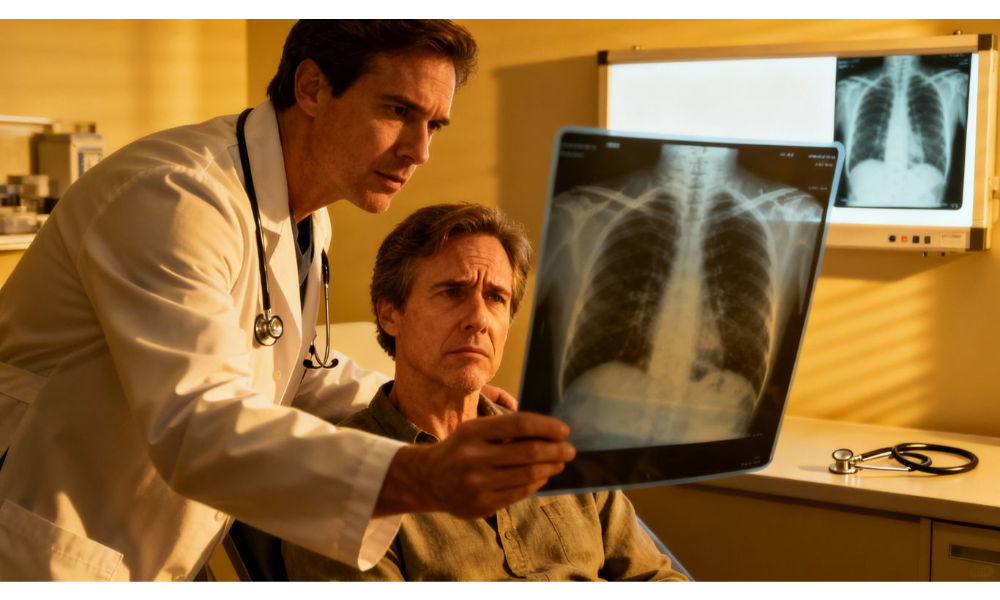
The Link Between Asbestos Fibers and Lung Disease
Asbestos, a naturally occurring mineral, was once widely used in construction and manufacturing due to its heat resistance and insulating properties. However, its microscopic fibers can become airborne when disturbed, posing a significant health risk. When inhaled, these fibers can lodge deep within the lungs, leading to inflammation and scarring over time. This chronic irritation is a primary driver for the development of various lung conditions, including asbestosis and, more seriously, lung cancer. The insidious nature of asbestos exposure means that the damage often occurs silently, with symptoms appearing decades after initial contact. Understanding this connection is the first step in recognizing the potential dangers. The long-term effects on lung tissue are well-documented, making awareness of asbestos’s presence vital for public health.
How Asbestos Causes Lung Cancer
The process by which asbestos fibers contribute to lung cancer is complex. Once inhaled, the sharp, durable fibers can penetrate lung cells. The body’s attempts to remove these foreign invaders can lead to chronic inflammation. This ongoing cellular damage and repair cycle increases the likelihood of genetic mutations occurring in lung cells. These mutations can cause cells to grow uncontrollably, forming tumors. It’s important to note that asbestos exposure doesn’t just cause lung cancer; it also significantly increases the risk of mesothelioma, a rare cancer affecting the lining of the lungs, abdomen, or heart, which is almost exclusively linked to asbestos exposure.
Latency Period of Asbestos-Related Lung Cancer
One of the most challenging aspects of asbestos-related lung diseases is the long latency period. This refers to the significant amount of time that passes between the initial exposure to asbestos fibers and the appearance of symptoms or a diagnosis. For lung cancer, this period can range from 10 to 40 years, and sometimes even longer. This extended timeframe means that individuals may have forgotten about past exposures, especially if they occurred during childhood or in jobs held many years ago. The delayed onset makes diagnosis and establishing a causal link more difficult. Early signs can be subtle, such as a persistent cough or shortness of breath [3ee9], which might be mistaken for other common ailments.
Identifying Asbestos Exposure Risks
Many people are unaware of the potential for asbestos exposure in their daily lives. While asbestos was once widely used in construction and manufacturing, its presence continues to pose a risk, particularly in older buildings and specific work environments. Understanding where these risks lie is the first step toward prevention.
Occupational Hazards and Asbestos
Certain professions have historically carried a higher risk of asbestos exposure. Workers in industries such as shipbuilding, construction, mining, and manufacturing were often in close contact with asbestos-containing materials. Even today, tradespeople who work with older structures, like plumbers, electricians, and demolition workers, can encounter asbestos if proper precautions are not taken. The disturbance of asbestos-containing materials during renovation or repair work is a primary cause of airborne fiber release.
Environmental Asbestos Exposure
Beyond the workplace, asbestos can be found in the general environment. Naturally occurring asbestos deposits can release fibers into the air, especially in areas where the ground has been disturbed by construction or natural events. Older buildings, particularly those constructed before the 1980s, may still contain asbestos in insulation, flooring, roofing, and other building materials. If these materials are damaged or deteriorate, asbestos fibers can become airborne.
Home Renovation and Asbestos Dangers
Homeowners undertaking renovation projects, especially in older homes, face a significant risk of asbestos exposure. Materials like textured paint, vinyl floor tiles, insulation around pipes and furnaces, and roofing shingles can all contain asbestos. When these materials are cut, sanded, or broken during renovation, asbestos fibers can be released into the air. It’s important to:
- Identify potential asbestos-containing materials before starting any work.
- Consider professional testing if you suspect asbestos is present.
- Hire certified asbestos abatement professionals for removal or disturbance of suspect materials.
Symptoms and Diagnosis of Asbestos-Induced Lung Cancer
Recognizing Early Warning Signs
It can be tough to spot lung cancer early, especially when it’s linked to asbestos. Often, symptoms don’t show up for a long time after exposure, sometimes decades. When they do appear, they might seem like other common lung problems, which can cause delays in getting the right diagnosis. Pay attention if you notice:
- A persistent cough that doesn’t go away.
- Shortness of breath, even when you’re not doing much.
- Chest pain that gets worse when you breathe deeply or cough.
- Unexplained weight loss and loss of appetite.
- Fatigue or feeling tired all the time.
- Wheezing or a raspy sound when you breathe.
Diagnostic Procedures for Lung Cancer
If you’re experiencing these symptoms, especially if you have a history of asbestos exposure, it’s important to see a doctor. They’ll likely start with a physical exam and ask about your medical history and any potential exposures. To get a clearer picture, several tests might be ordered:
- Imaging Tests: These help doctors see inside your chest. X-rays are often the first step, but CT scans provide more detailed images of the lungs and can detect smaller abnormalities. PET scans can also be used to see if cancer has spread.
- Biopsy: This is the most definitive way to diagnose lung cancer. A small piece of tissue is removed from the suspicious area and examined under a microscope. Biopsies can be done in a few ways, including bronchoscopy (using a thin tube to look inside the airways) or a needle biopsy guided by imaging.
- Sputum Cytology: If you’re coughing up phlegm, it can be tested for cancer cells.
⠀
Differentiating Asbestos-Related Lung Cancer
Figuring out if lung cancer is specifically due to asbestos exposure can be complex. Doctors look at several factors. The presence of asbestos bodies in lung tissue, found during a biopsy, is a strong indicator. They also consider the patient’s work history and known asbestos exposure sites. It’s important to distinguish it from other types of lung cancer, as treatment and prognosis can differ. Sometimes, asbestos exposure also leads to mesothelioma, a different type of cancer affecting the lining of the lungs, which has its own diagnostic markers and treatment approaches. Open communication with your healthcare provider about your past exposures is key to an accurate diagnosis.
Treatment Options for Lung Cancer
When lung cancer is diagnosed, especially if it’s linked to asbestos exposure, treatment becomes the primary focus. The approach taken really depends on several factors, like the specific type of lung cancer, how far it has spread, and the patient’s overall health. Doctors work to create a plan that best suits each individual.
Medical Interventions for Lung Cancer
There are a few main ways doctors treat lung cancer. Surgery might be an option if the cancer is caught early and hasn’t spread too much. It involves removing the cancerous part of the lung. Chemotherapy uses drugs to kill cancer cells, and it can be given before or after surgery, or as the main treatment. Radiation therapy uses high-energy rays to target and destroy cancer cells, often used to shrink tumors or relieve symptoms. More recently, immunotherapy has become a significant part of treatment. This approach helps the body’s own immune system fight the cancer. Sometimes, a combination of these treatments is used for the best outcome. For many patients, finding the right treatment plan involves discussing all available options with their medical team, and understanding that common mesothelioma treatment options include surgery, chemotherapy, radiation, and immunotherapy [05ab].
Supportive Care and Palliative Options
Beyond the direct treatments aimed at fighting the cancer, supportive and palliative care play a huge role. The goal here is to manage symptoms and improve a patient’s quality of life. This can include:
- Pain management: Using medication and other techniques to control any discomfort.
- Nutritional support: Helping patients maintain strength and energy through diet.
- Emotional and psychological support: Providing counseling and resources for patients and their families.
- Breathing assistance: Techniques or devices to help with shortness of breath.
- Palliative care isn’t just for the end of life; it can be integrated at any stage of the illness to make living with cancer more manageable.
Preventing Lung Cancer From Asbestos Exposure
Preventing lung cancer linked to asbestos exposure requires a multi-faceted approach, focusing on minimizing contact and raising awareness. The most effective way to avoid asbestos-related lung cancer is to prevent exposure altogether. This involves understanding where asbestos might be found and taking appropriate precautions.
Minimizing Occupational Exposure
Workers in certain industries historically faced higher risks. While regulations have improved, vigilance remains important.
- Identify potential asbestos-containing materials (ACMs) in workplaces, especially in older buildings. This includes insulation, roofing, and flooring.
- Follow strict safety protocols when working with or near ACMs. This often involves specialized training and personal protective equipment (PPE).
- Ensure proper ventilation in work areas where asbestos disturbance is possible.
- Report any concerns about potential asbestos hazards to supervisors or safety officers immediately.
Safe Handling of Asbestos Materials
When asbestos is present, particularly during renovation or demolition, safe handling is paramount.
- Never disturb asbestos materials yourself unless you are trained and licensed to do so. Cutting, sanding, or breaking ACMs releases fibers into the air.
- Hire certified asbestos abatement professionals for removal or encapsulation. These professionals have the equipment and knowledge to manage the risks.
- Wet methods are often used during asbestos removal to keep dust down. This is a technique professionals employ.
- Proper disposal of asbestos waste is critical and regulated by law.
Awareness and Education on Asbestos Risks
Public awareness plays a significant role in preventing exposure, especially in residential settings.
- Educate yourself and your family about the dangers of asbestos and common locations in homes built before the 1980s.
- Be cautious during home renovations. If you suspect asbestos is present, get it tested by a qualified professional before starting any work.
- Understand that asbestos fibers are microscopic and can remain airborne for long periods, making visual identification impossible.
- Support policies and regulations aimed at controlling asbestos use and managing existing asbestos materials.